Washington DC’s skyline has changed dramatically over the past decade. Solar panels are now a familiar sight, gleaming atop rowhouses from Petworth to Capitol Hill and across small commercial buildings in neighborhoods like Adams Morgan and Brookland. If you’ve started researching a new roof-mounted solar installation, you’ve probably hit on a critical question: when is the best time to schedule the work in the District? The answer isn’t as simple as picking the next open slot on your calendar. DC’s unique blend of climate, regulatory quirks, and urban logistics means timing matters - sometimes more than homeowners realize.
Why Seasonality Shapes Your Solar Project
Not all months are created equal for major roof work in DC. Weather patterns can stall installations or even void certain warranties if crews push through bad conditions. On top of that, demand for reputable DC solar installers fluctuates throughout the year, influenced by everything from federal tax incentive deadlines to the rhythms of local permitting offices.
Understanding these patterns gives you leverage. You’ll avoid last-minute scrambles and make choices that help both your home’s long-term value and your peace of mind.
Washington DC’s Climate: What Installers Know That Homeowners Often Don’t
Solar companies in DC learn quickly that our weather is mercurial. Winters can swing from mild to icy with little notice; summers bring humidity and surprise downpours; spring and fall offer temperate windows but also unpredictable storms. Every rooftop tells its own story about how these elements play out over time.
The region gets roughly 42 inches of rainfall annually, most of it concentrated in late spring and summer thunderstorms. Summer heat can soar above 90°F, making midday roof work punishing for crews - not just uncomfortable but potentially unsafe. Winters rarely deliver sustained snow cover, yet ice storms and cold snaps do occur.
These details matter because each phase of a solar panel installation responds differently to temperature and precipitation:
- Mounting hardware requires dry surfaces for proper sealing. Electrical wiring must be handled carefully when temperatures are at extremes. Asphalt shingles become brittle below 40°F (4°C), increasing risk of damage during foot traffic or drilling.
Veteran installers watch both short-range forecasts and seasonal outlooks before sending teams up ladders. They know that an afternoon squall or a hard freeze can mean pausing halfway through a job - sometimes for days.
Permit Timelines: Bureaucracy Moves With The Seasons Too
DC’s Department of Buildings processes thousands of permits every month, but volume ebbs and flows with the seasons. Spring brings a rush as residents try to get projects underway before summer vacations or hurricane season. By late fall, there’s another spike driven by folks racing to capture year-end tax credits or meet HOA requirements before winter sets in.
Anecdotally, some Washington DC solar companies report that average permit turnaround times stretch from two weeks in quiet months like February to four weeks or longer during May-June peaks. Permitting delays ripple through scheduling: if your paperwork isn’t approved before the weather turns nasty, you might be forced into an awkward window or risk missing incentives altogether.
Local knowledge counts here too. Some experienced DC solar installers maintain close relationships with plan reviewers or track which inspectors are most responsive during busy periods. It may sound old-fashioned, but knowing whom to call on Friday afternoon can shave days off your timeline.
Rooftop Realities: How Season Affects Different Building Types
A flat commercial roof behaves very differently from a steeply pitched rowhouse top when it comes to weather exposure. Flat roofs often collect standing water after storms - something many first-time solar buyers overlook until their installer flags it during site assessment. Pitched shingle roofs can shed rain quickly but may be treacherous after frost or high winds.
In practical terms:
- Older slate roofs common in neighborhoods like Georgetown require extra caution during cold snaps; slate becomes slippery and fragile below freezing. Rubber membrane roofs (typical for many Capitol Hill flats) need adhesives that cure properly, which is tricky if temperatures dip below 50°F. Metal roofing expands dramatically in summer sun; fastener systems must account for this movement or risk leaks later on.
Some materials even carry manufacturer guidelines specifying minimum ambient temperatures for safe installation - details any reputable Washington DC solar company will spell out before signing contracts.
Crew Safety And Scheduling: A Hidden Bottleneck
Most homeowners don’t consider what goes into keeping installation teams safe on District rooftops until they’re midway through a project delay notice. OSHA regulations require extra precautions for working at heights under adverse conditions - think ice on ladders or sudden gusts along exposed ridgelines near Rock Creek Park.
During peak summer heatwaves, responsible crews shorten shifts or reschedule midday appointments entirely rather than risk heat exhaustion. On bitter winter mornings, frost delays start times until sunlight softens shingle surfaces enough for secure footing.
The upshot? Even if your contract specifies an “installation window,” actual progress often depends on micro-adjustments made day-to-day based on real-world conditions atop your home.
Peak Demand Periods: When Everyone Wants Solar At Once
Washingtonians love their tax credits almost as much as they loathe paperwork headaches. That means demand for solar panel installation surges at predictable points each year:
First is early spring, as homeowners act on New Year’s resolutions or plan upgrades around tax refunds. Second is autumn leading up to December 31st deadlines for federal incentives like the Investment Tax Credit (ITC). There’s also a smaller bump when local utility programs announce new rounds of rebates or performance-based incentives tied to SRECs (Solar Renewable Energy Certificates).
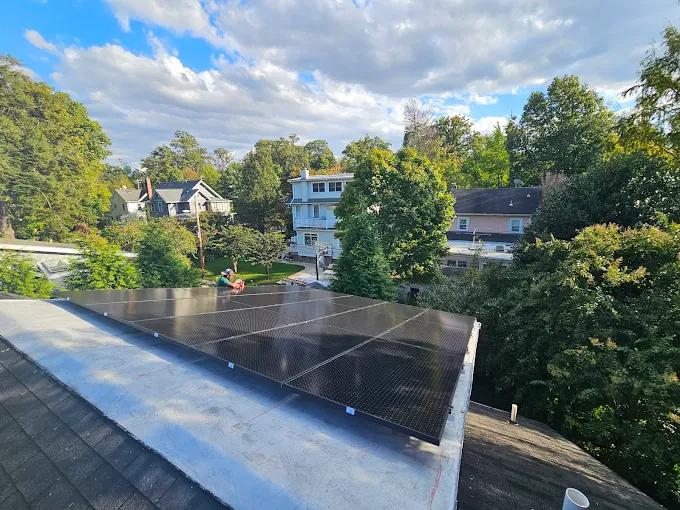
If you call three different DC solar installers in April hoping for quick turnaround, expect longer waits than if you reached out in January or July. Some companies triage inquiries based on project complexity or how quickly permitting seems likely to move - another reason why early planning pays off.
Trade-Offs By Season: Navigating The Pros And Cons
No single month provides perfect conditions across all fronts - trusted DC solar installers weather reliability, installer availability, incentive timelines, and personal convenience rarely align smoothly. Here’s how seasoned professionals weigh their options:
Spring offers pleasant working temperatures but often brings rain delays and heavy permit office backlogs. Summer provides long daylight hours yet risks extreme heat slowing crew productivity. Autumn combines stable weather with looming incentive deadlines that pack installer calendars. Winter sees less competition for scheduling slots but introduces risks related to cold-sensitive roofing materials and shorter days limiting work hours.
For example: one homeowner I worked with in Cleveland Park wanted her system live before year-end to lock in ITC savings but faced repeated December rainouts that pushed her completion into early January anyway - missing the cutoff by days despite everyone’s best efforts.
Practical Steps For Homeowners Planning In The District
Preparation makes all the difference when timing a roof-mounted install around DC’s quirks. Here’s a checklist seasoned project managers use with new clients:
Check your roof’s age and condition well ahead of desired install date; repairs discovered late can derail tight timelines. Reach out to multiple reputable solar companies in DC at least three months before your ideal completion window. Ask potential installers about their current backlog and typical permit processing experiences by season. Build flexibility into your schedule so minor delays don’t threaten key incentive deadlines. Document every milestone (site visit, contract signed, permit submitted) so you have leverage if schedules slip unexpectedly.This preparation doesn’t guarantee perfection but dramatically reduces surprises once scaffolding goes up outside your window.
Special Cases: Historic Properties And Condo Boards
DC brims with buildings subject to historic preservation review - especially near Dupont Circle or Capitol Hill East - where exterior changes draw extra scrutiny regardless of seasonality. These properties face additional approval layers beyond standard building permits; review boards may only meet monthly except during solar panel installation summer recesses when schedules slow further.
Condo associations introduce their own timelines too: board meetings happen irregularly and often skip August entirely due to member travel schedules. Missing one meeting cycle could add weeks just waiting for sign-off unrelated to actual construction conditions outside.
If you’re navigating these hurdles alongside seasonal factors, start conversations extra early - think six months instead of three if possible - so everything aligns by install day rather than dragging into winter chill or summer storms unexpectedly.
Choosing The Right Installer Matters More Than The Month
While timing shapes every project outcome, who does the work remains paramount. Not all Washington DC solar companies operate equally through seasonal crunches; some scale up temporary labor only during busy stretches while others retain veteran teams year-round who know local codes cold and troubleshoot rooftop curveballs without fuss.
Look for firms whose references mention clear communication about schedule changes rather than empty promises about “guaranteed” completion dates no matter what Mother Nature throws at them. Transparency builds trust when things get complicated mid-project due to unseasonable weather swings or bureaucratic hiccups downtown.
Experienced crews also spot roof vulnerabilities others miss: loose flashing revealed after heavy rain in April is easier addressed pre-installation than post-panel placement come May thunderstorm season.
The Payoff Of Good Timing In The District
Lining up ideal weather windows with motivated crews maximizes not just energy production but also long-term durability - crucial given our region's mix of freeze-thaw cycles and muggy summers that test both hardware and workmanship alike year after year.
Comparing Typical Installation Windows In Practice
| Season | Average Permit Time | Likelihood Of Weather Delays | Installer Availability | Incentive Deadline Pressure | |---------|--------------------|------------------------------|-----------------------|----------------------------| | Spring | Moderate/Long | High | Busy | Low | | Summer | Short/Moderate | Medium | Moderate | Low | | Autumn | Long | Low | Very Busy | High | | Winter | Short | Medium/High | Best | High (late-year only) |
As this table shows, no period escapes trade-offs entirely.
Final Thoughts For Homeowners Eyeing Rooftop Solar In DC
Smart scheduling blends technical realities with bureaucratic ones while leaving margin for life’s unpredictabilities - whether that's an unexpected nor'easter rolling through Shaw just as scaffolding goes up or a last-minute change request from an HOA committee running behind after Labor Day weekend.
For most homeowners eager to go solar in Washington DC, starting early gives breathing room across all fronts: better choice among trusted installers familiar with local quirks; more leeway navigating city hall paperwork; greater odds catching favorable weather; less stress squeezing under wire as incentive calendars tick down.
With patience plus careful planning informed by both calendar trends and hard-earned installer experience, you'll boost not just your energy independence but also your sanity throughout the process.
And come next cherry blossom season? You’ll enjoy those pink petals reflecting off sleek new panels overhead instead of wondering why your project is still stuck somewhere between paperwork purgatory and unpredictable skies above Northeast rooftops.
For those weighing options now: talk openly with prospective solar companies about how they handle scheduling around seasonal bottlenecks here in the District—and press them for recent client stories rather than generic assurances alone.
The right partner will help you harness more than sunshine—they’ll help you master timing itself amid everything else Washington throws our way each year.